Make intake easier to complete, easier to route, and easier to act on.
A contact form can collect information. A good intake system makes the next action obvious. Intake Audit helps service businesses review how prospects, clients, patients, referrals, and service requests move from form to qualification, routing, booking, CRM, and follow-up.
Built for service businesses where intake determines what happens next.

A form collects information. Intake creates a next action.
The form itself may work perfectly. The process can still break when everyone uses the same form, the form asks too much or too little, staff manually interprets every submission, the wrong person receives it, the wrong calendar appears, the CRM record is incomplete, confirmation is vague, or unfinished intake disappears.
Good intake answers five questions.
When an intake process breaks down, it is almost always because one of these five stages is missing, skipped, or handled manually.
Who is this person?
New prospect? Existing client? Referral? Patient? Service request?
What do they need?
Collect only enough information to understand the request without forcing onboarding-level questions.
Is this the right fit?
Use qualification only where it genuinely changes the next step, service area, or eligibility.
Who owns it?
Route to the correct person, team, queue, calendar, or workflow automatically.
What happens next?
Confirm the next action so both visitor and business know what to expect and what is due.
Where intake gets messy.
Even successful firms struggle with hidden manual handoffs between submission and appointment.
Generic form
Prospects, existing clients, referrals, support requests, and vendors all enter one inbox.
Overbuilt form
The visitor completes onboarding-level questions before mutual fit is even known.
Underbuilt form
The team still has to call back repeatedly just to collect fundamental basics.
Manual routing
One busy office manager reads, interprets, forwards, and tracks every submission manually.
Calendar mismatch
Visitor reaches the wrong appointment type, wrong duration, or gets sent another link later.
No ownership
Submission works, but next action, assigned owner, and internal status remain unclear.
No visibility
Business sees an email ping but lacks visibility into where unfinished intakes disappear.
Score your intake process.
The Free Intake Score asks 10 questions across clarity, information, qualification, routing, and follow-up. 100 points total. Complete client-side with instant feedback.
Different businesses need different intake.
A law firm's matter qualification is completely different from a dental practice or home-services dispatcher.
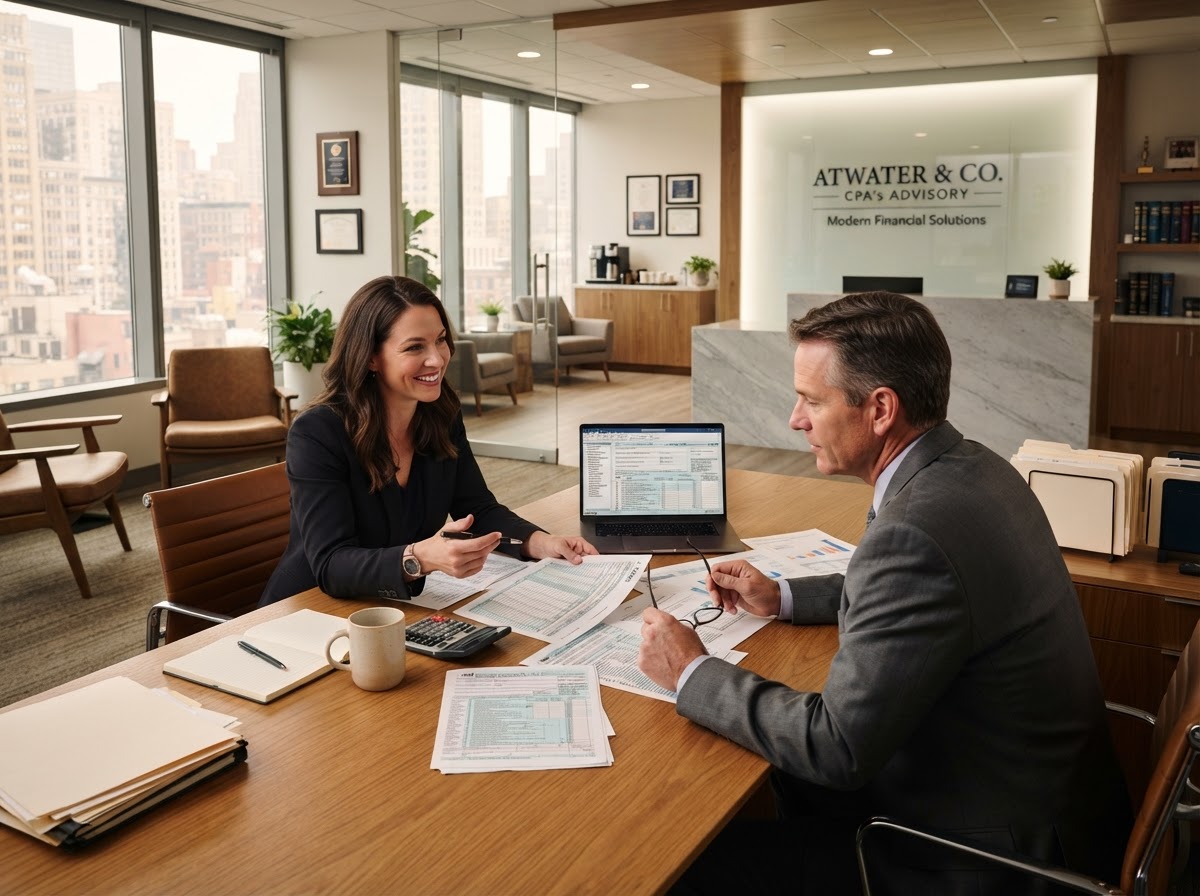
Accounting Firms
Prospects, existing clients, referrals, document needs, and appointment types should not all enter the same path.

Law Firms
New matters, existing clients, referrals, and controlled intake require deliberate handoffs.

Dental Practices
New patients, existing patients, treatment inquiries, emergencies, and scheduling create different paths.

Clinics & Medical
Patient type, service, consultation, booking, and administrative requests need clearer routing.

Consulting & Advisory
Qualified prospects, current clients, referrals, partners, and project inquiries should move differently.

Home Services
Emergency service, estimates, maintenance, existing jobs, and service-area questions often require different qualification.
The goal is not a longer form.
A cleaner intake system may include start-here routing, short qualification, conditional questions, service-fit logic, calendar selection, CRM capture, internal ownership, notifications, confirmations, and follow-up. The Quiet Protocol can implement the systems behind the path.
- Start-here visitor identification
- Conditional questions based on service fit
- Direct calendar selection for qualified inquiries
- Automated CRM contact & deal pipeline creation
- Staff ownership & instant notifications
- Unfinished-intake detection & recovery
Frequently Asked Questions
Is Intake Audit a form builder?
No. Forms are one part of the operating intake path. Intake Audit focuses on how information moves from capture to qualification, routing, calendar handoff, CRM records, and follow-up.
Is this the same as Front Door Audit?
No. Front Door Audit reviews the broader digital journey and website discovery. Intake Audit focuses specifically on what happens once someone begins providing information: forms, qualification rules, routing destinations, and post-submit next steps.
Do you rebuild websites?
Not automatically. Website intake changes or landing page routing can be included later if agreed in project scope with The Quiet Protocol.
Do you provide CRM implementation?
The Quiet Protocol can implement CRM, automation, and pipeline infrastructure when included in agreed scope.
Is the Intake Review a full free consulting engagement?
No. It is an initial systems review conversation to understand your current setup, identify obvious friction, and determine whether implementation support from The Quiet Protocol makes sense.
Want us to look at your current intake?
Book an Intake Review. We will look at how information is collected, qualified, routed, booked, and handed off today and whether a cleaner system makes sense.